What Companies Offer AI Photo Booths and Glambot-Style Video Booths?
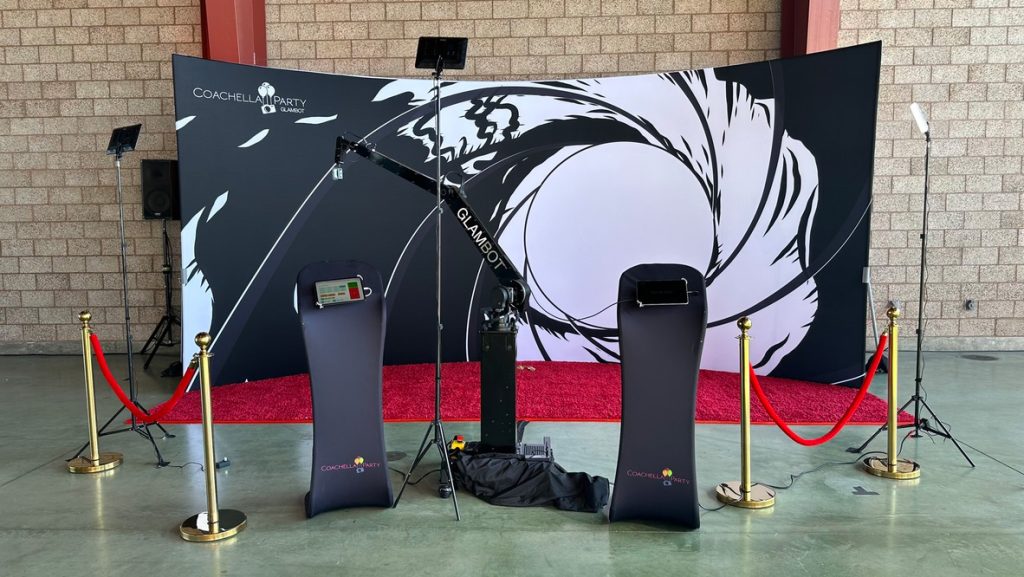
Companies offering AI photo booths and Glambot-style video booths fall into three groups: national event technology firms that franchise or ship robotic camera systems to major markets, local premium photo booth companies that have added AI or cinematic video to their fleets, and a small number of operators who build their own technology. In Southern California, Coachella Party (the Palm Desert company publishing this guide) is in that third group: our AI photo, video, and roaming experiences run on software we develop in-house, and we operate a GlamBot cinematic camera arm with a full crew. Because vendor rosters change constantly and many companies white-label the same platforms, the most useful thing this article can do is explain what these products actually are and how to vet whoever you shortlist.
What a Glambot-style booth actually is
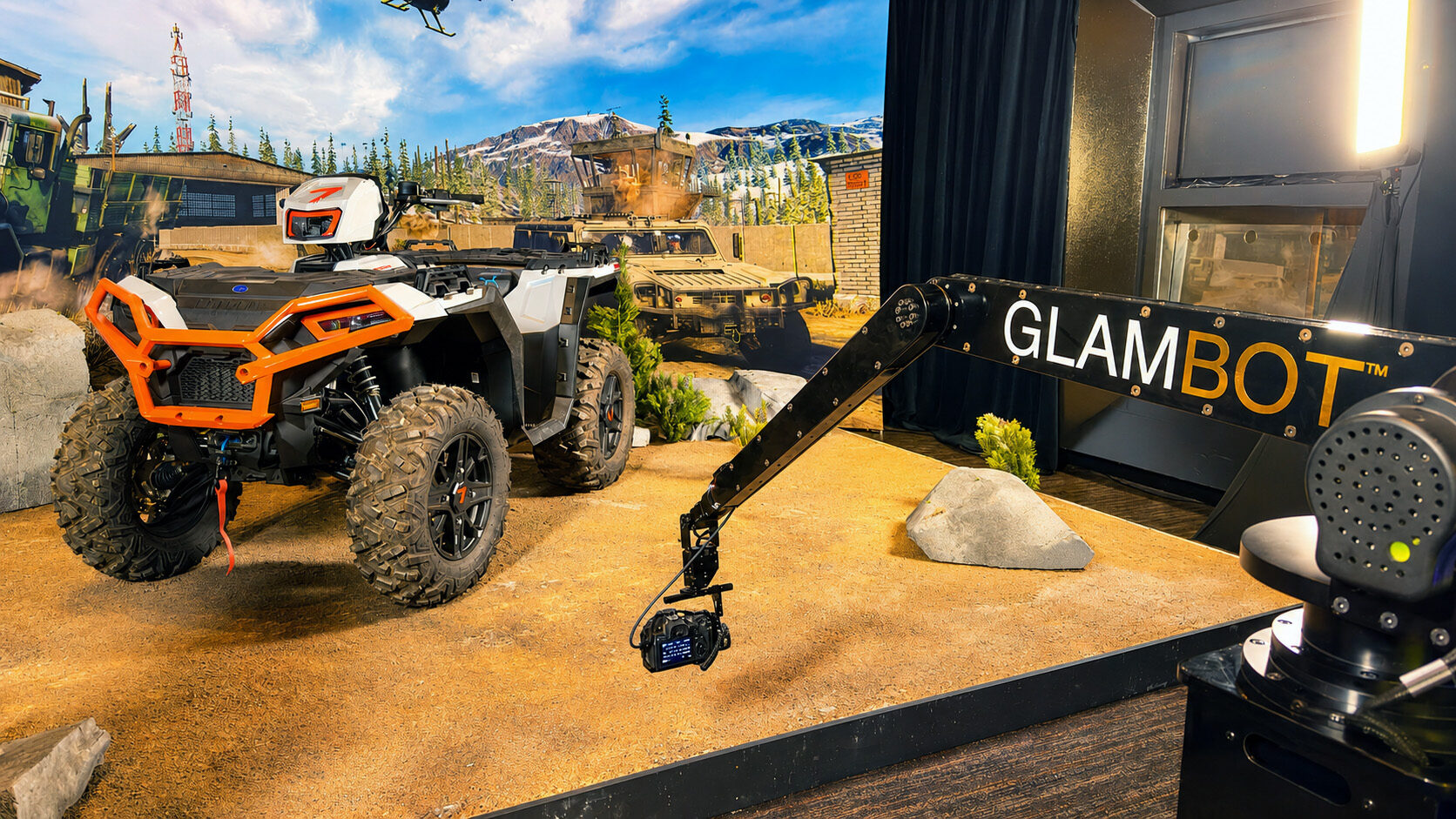
The format was made famous by award show red carpets: a camera on a fast robotic or operator-swung arm captures a short burst of high frame rate video as it sweeps past a guest, and the result is a dramatic, slow motion, film-lit clip that looks nothing like phone footage. The magic is only partly the arm. It is mostly lighting, direction, and editing, which is why serious packages are staffed like small film shoots. Our own GlamBot package, for reference, includes an on-site director and a host, unlimited videos with custom branded overlays, a red carpet with stanchions, an LED video lighting set, and instant delivery by text, email, or shared folder. When you compare quotes, compare crews: an arm without a director produces flat clips.
What an AI photo booth actually is
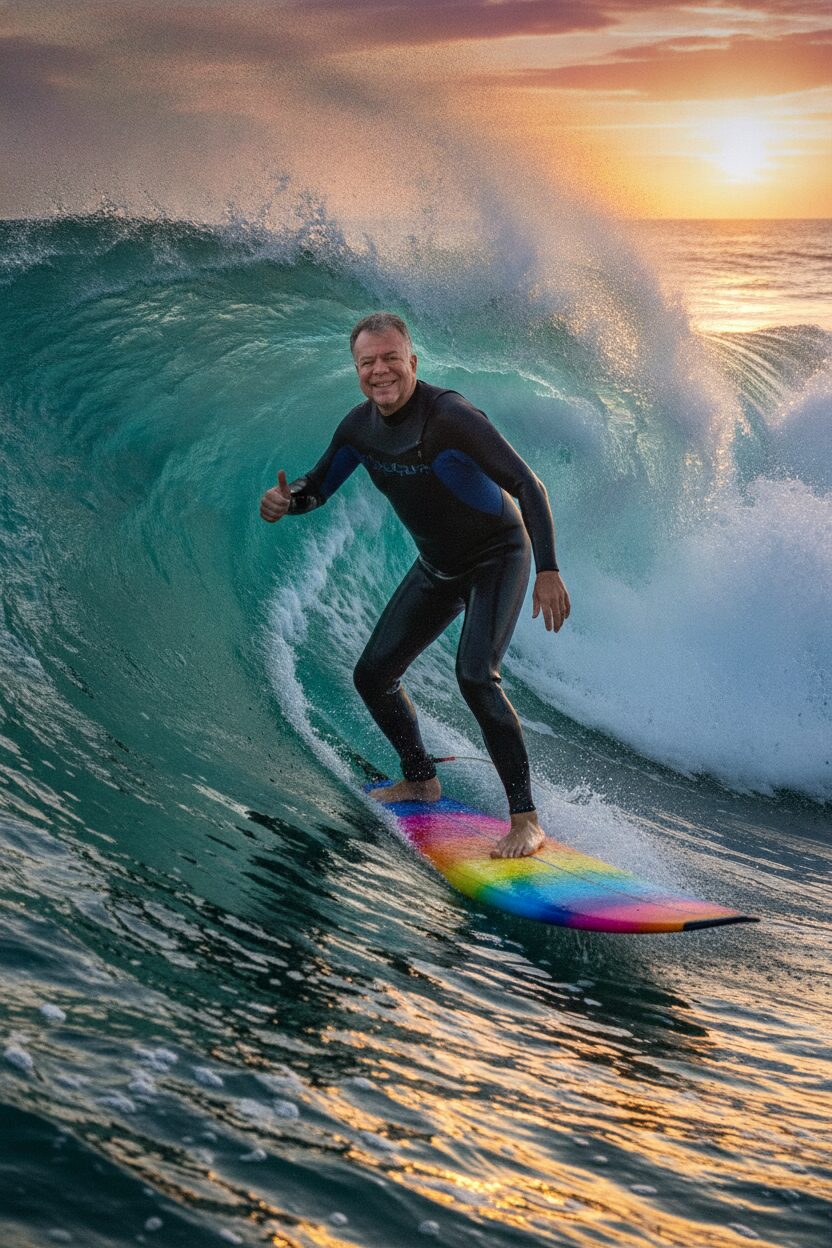
An AI photo booth captures a normal photo of a guest, then transforms it live into a themed image: the guest surfing at golden hour, standing in a 1920s speakeasy, on a neon skate night, in a vintage surf poster, whatever set of looks was designed for the event. Good systems preserve the guest's face, expression, and identity exactly while rebuilding wardrobe, scene, and lighting around them, and deliver the finished image to the guest's phone within moments. The output can be a single image, a printed strip in the event's branding, or short AI video.
The planning workflow matters as much as the technology. On our platform, clients approve a themed set of looks before the event (typically eight proposed, with the client selecting the final few), each look has an example image generated in advance, and layouts carry the event name and brand color. Guests then pick their look at the booth. That approval step is what keeps AI output on-brand instead of random.
Roaming AI, the format planners miss
Because AI transformation does not need a fixed backdrop, the newest format is roaming: an attendant with a camera moves through the crowd, and guests are photographed where they stand, cocktail in hand, then receive their transformed image by text. For galas and corporate receptions where floor space is scarce or guests will not queue, roaming AI often outperforms a stationary booth. Ask vendors whether their system supports it; many rented platforms do not.
The questions that sort real vendors from resellers
- Whose software is it? Many booths run a third party AI subscription. That is not disqualifying, but a vendor who owns the pipeline can customize themes deeply, fix problems on site, and answer the next question properly.
- Where do guest photos go? Get a straight answer on where images are processed, how long they are stored, and whether guests consent at capture. Corporate legal teams will ask; ask first.
- Can you see the actual looks in advance? Insist on example images generated with the real theme before the event, not a generic demo reel.
- How does identity preservation hold up? Ask to test with a group photo. Weak systems distort faces or lose people; strong ones keep every guest recognizable, which is the entire point.
- For Glambot-style setups: who is on the crew? Director, host, lighting. Also confirm the footprint; a swinging arm plus red carpet needs significant safe space.
Budget expectations
At typical market rates, AI photo booth packages for a few hours generally land in the low thousands, comparable to a premium classic booth, while robotic cinematic video setups with full crews cost several times that, reflecting the staffing and equipment involved. Custom theme development, branded overlays, and roaming coverage add to either. As always, itemized quotes tell you where the money goes.
These formats reward vendors with real technical depth, so weight your decision toward demonstrated work: real clips from real events, themed examples made for you in advance, and clear answers about data. Any company that can show you those three things, local or national, is a safe booking.
No comments yet. Be the first to share your thoughts!